Supporting Construction Across Diverse Markets
MHCM delivers construction services across a range of project types, each with its own coordination requirements, regulatory standards, and execution challenges. Our approach adapts to the demands of each industry while maintaining consistent control over planning, scheduling, and field execution.
Complexity
Every sector demands precision
Construction doesn't follow a single path. A school renovation operates under different constraints than a commercial office tower or a municipal infrastructure project. Each industry brings its own regulatory requirements, sequencing demands, and coordination challenges. MHCM applies the same disciplined approach across all sectors, adapting execution strategy to match the specific demands of the work while maintaining control over cost, schedule, and field operations.


Built for functional, high-use spaces
Commercial Construction
Office, retail, and commercial developments requiring coordinated scheduling, subcontractor management, and phased execution.
Engineered for scale and complexity
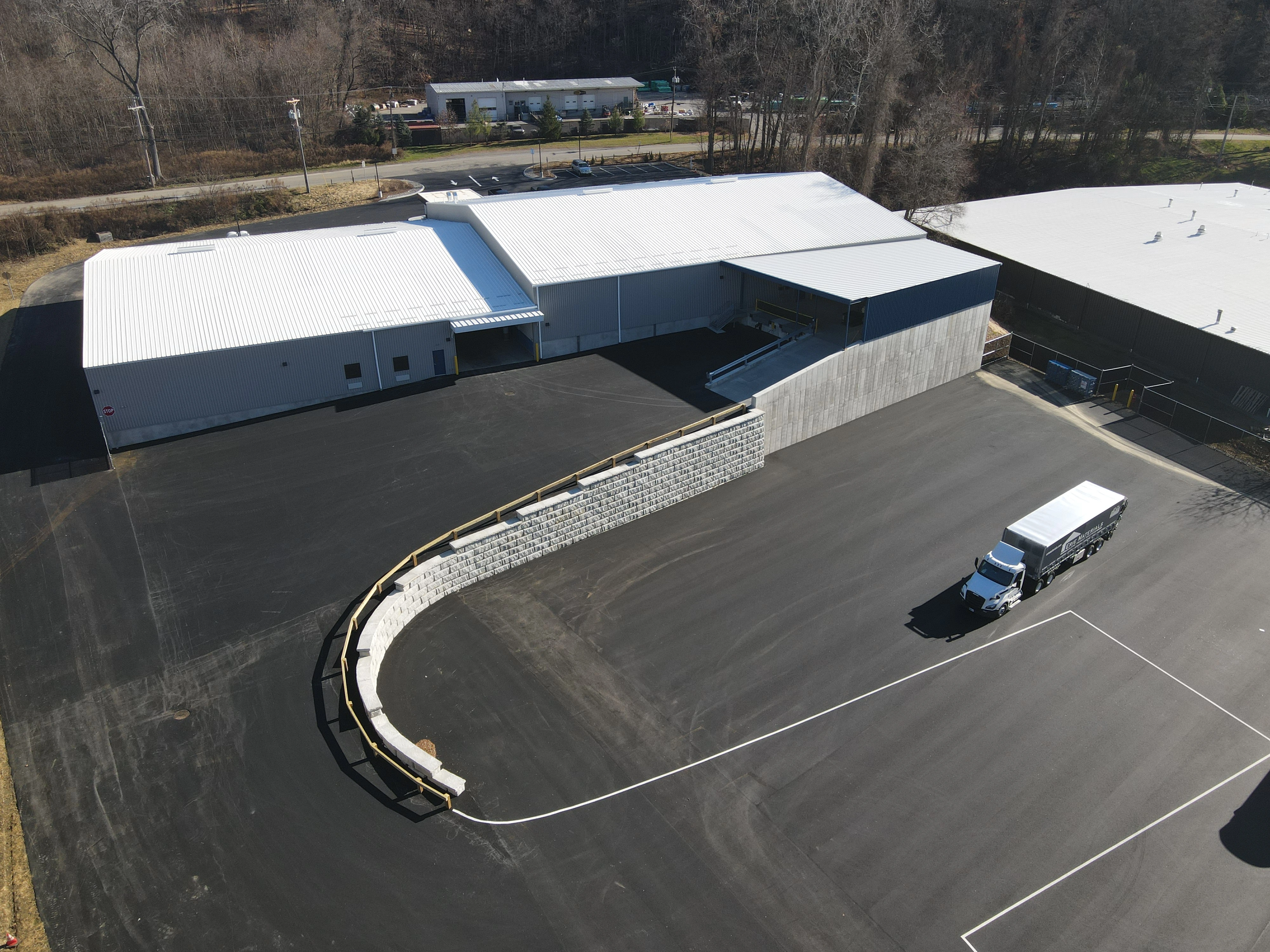
Industrial Construction
Facilities and infrastructure projects requiring heavy coordination, site logistics, and structured field execution.
Delivered with public accountability
Municipal infrastructure
Public works projects involving regulatory compliance, phased construction, and stakeholder coordination.
Built for precision and compliance
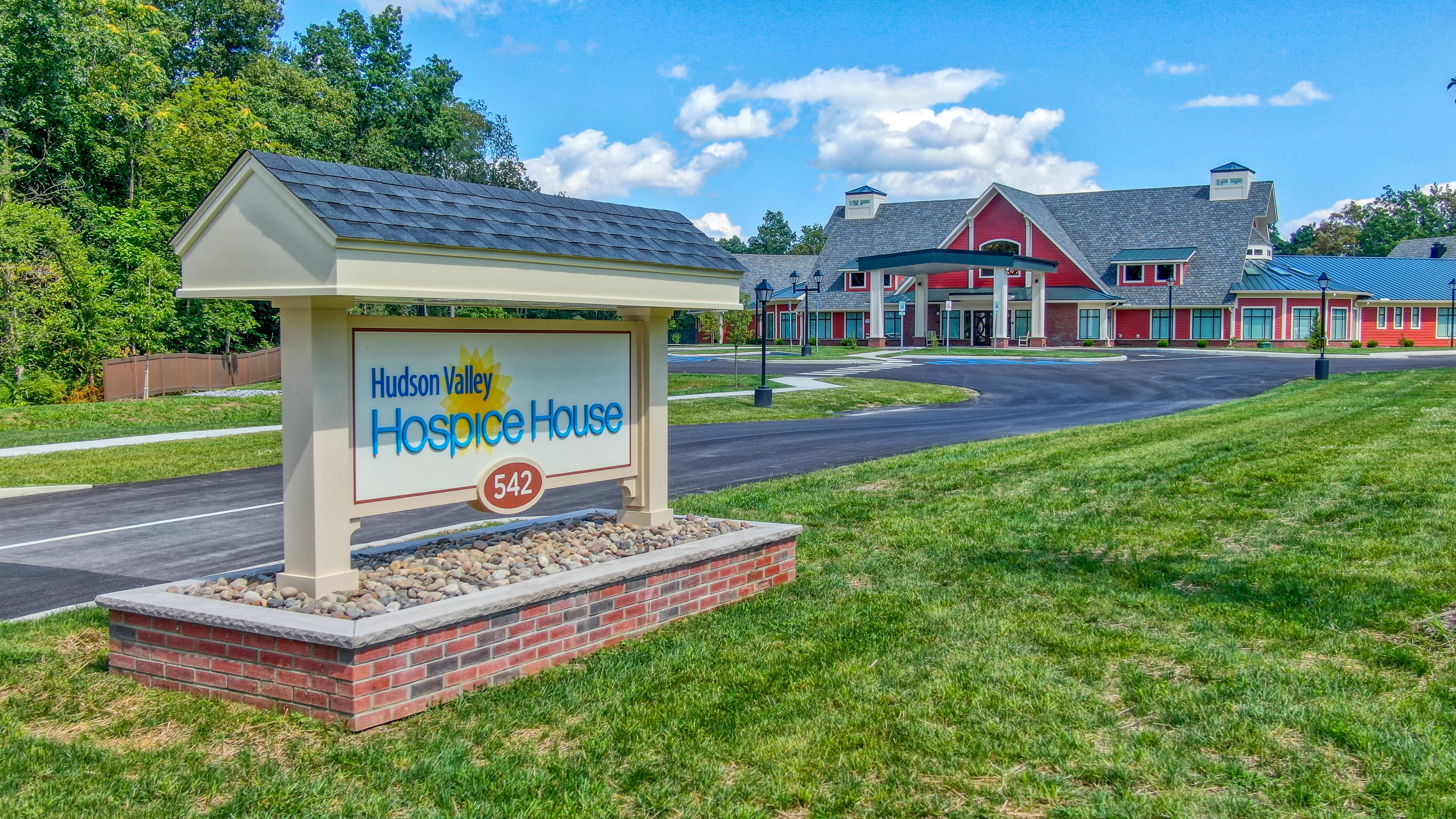
Healthcare construction
Medical and healthcare facilities requiring strict sequencing, safety coordination, and precision-driven execution.
Advantage
Greater control through self-performed site operations
Project planning
Each industry begins with structured pre-construction planning to define scope, logistics, and feasibility requirements.
Execution strategy
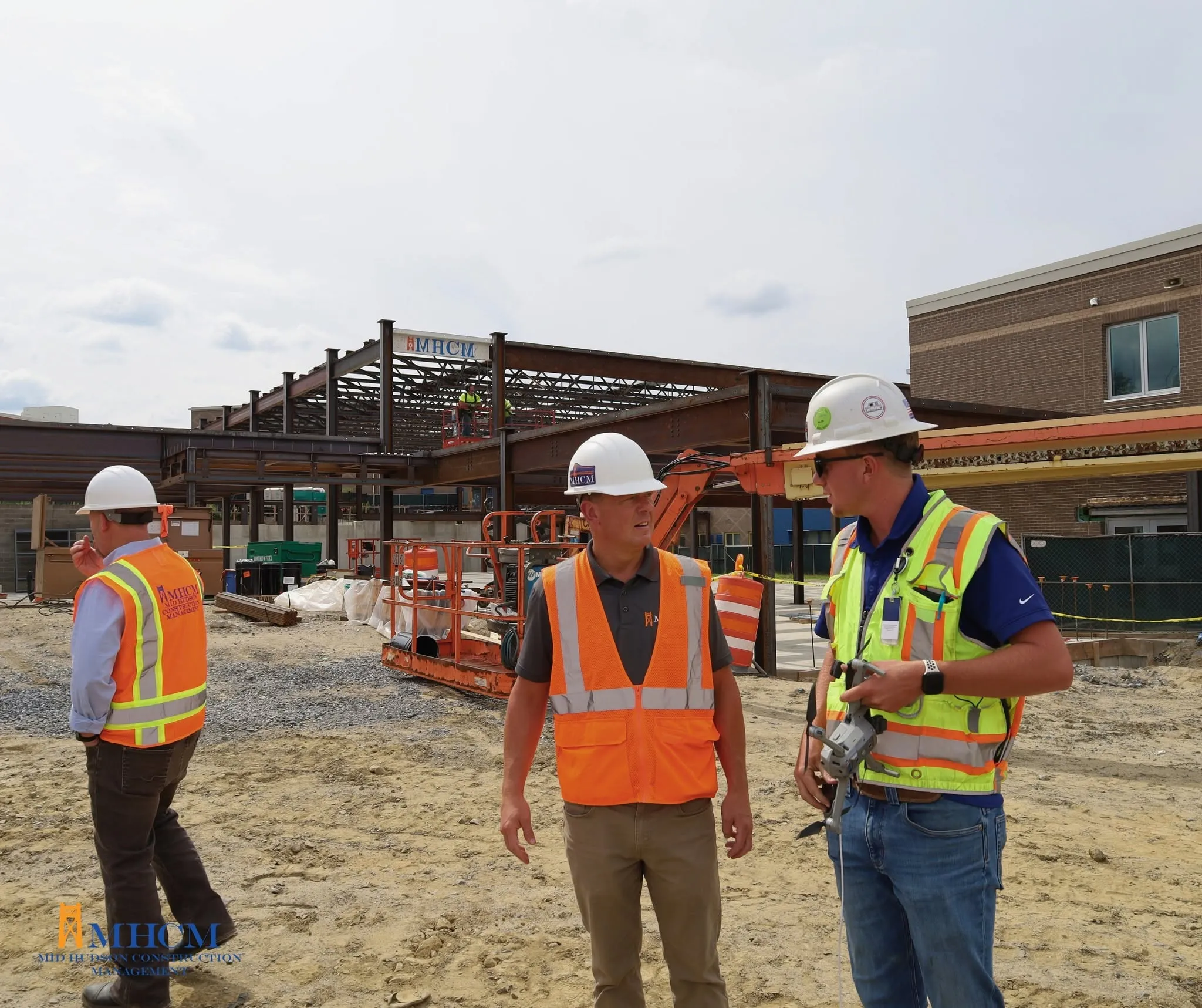
Field execution is adapted based on industry-specific constraints including occupancy, safety requirements, and sequencing demands.
Delivery control
Cost, schedule, and coordination are actively managed throughout all phases of construction to maintain alignment.
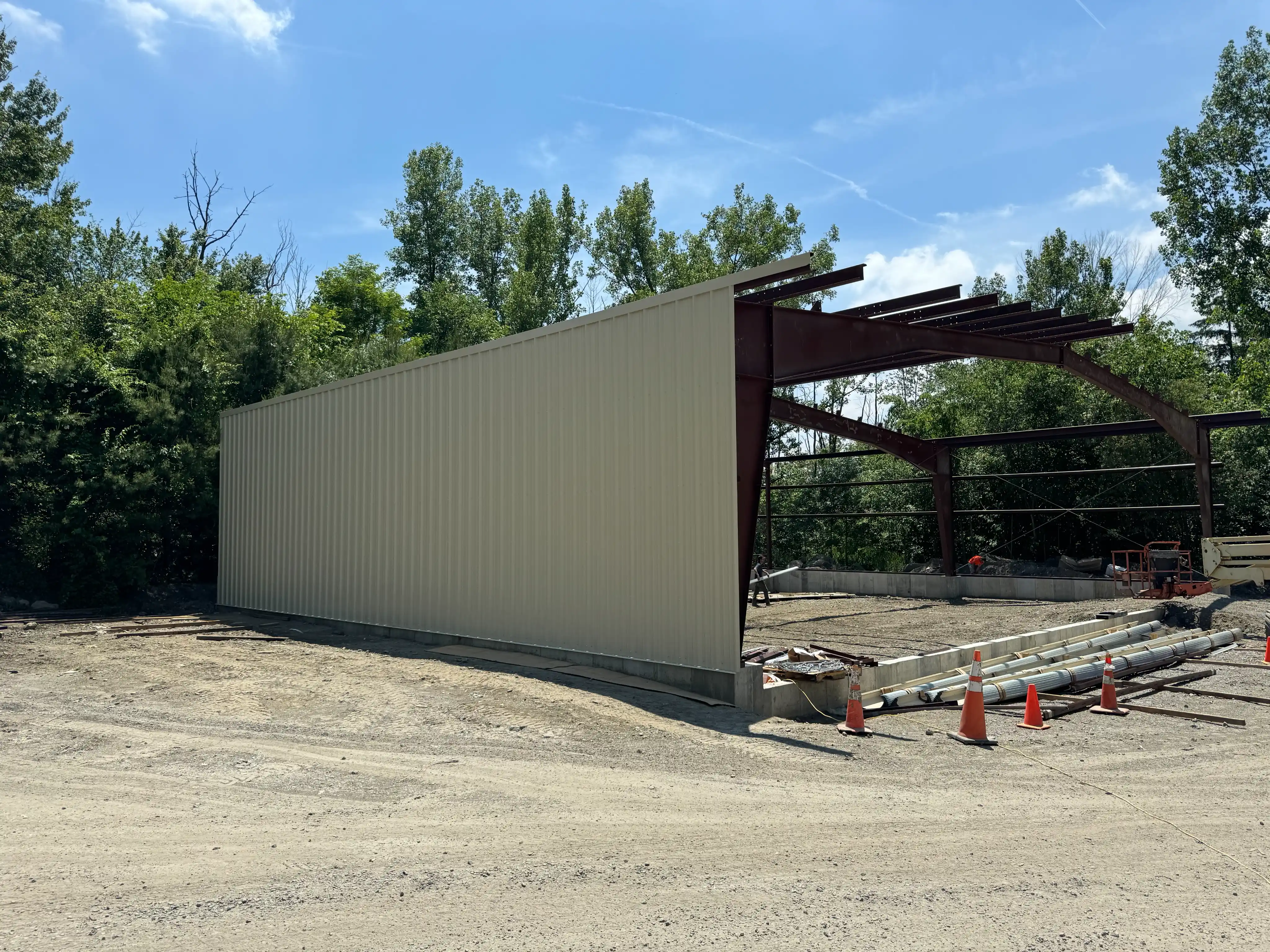
When MHCM performs sitework directly, we eliminate delays caused by third-party coordination and maintain accountability from start to finish. This approach keeps projects on schedule and within budget.
Experience across diverse environments
Each industry presents different challenges in permitting, coordination, and execution. Over time, MHCM has developed systems that adapt to these conditions while maintaining consistent oversight across all project types.
Rather than changing the process for each project, the process is structured to adapt without losing control.
Process
How industry requirements shape delivery
Each sector brings distinct constraints. We begin by understanding them.
One
Understand requirements
Each industry begins with a review of compliance, sequencing, and logistical constraints.
Two
Align execution plan
Construction planning is structured around industry-specific requirements and project scope.

Three
Manage delivery
Execution is managed through coordinated oversight across scheduling, trades, and field operations.
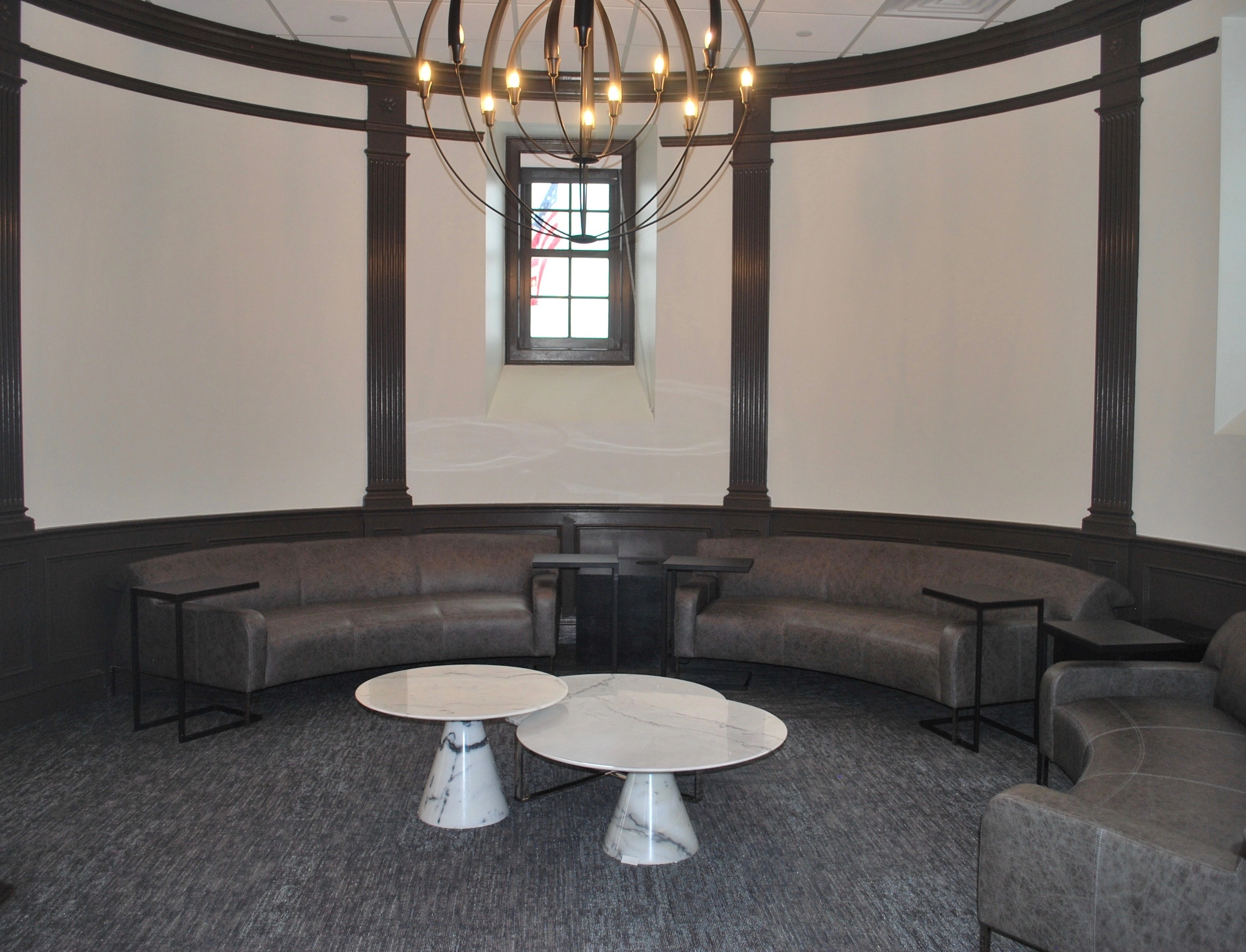
Projects
Design-build assist experience
Selected projects where MHCM led oversight and coordination
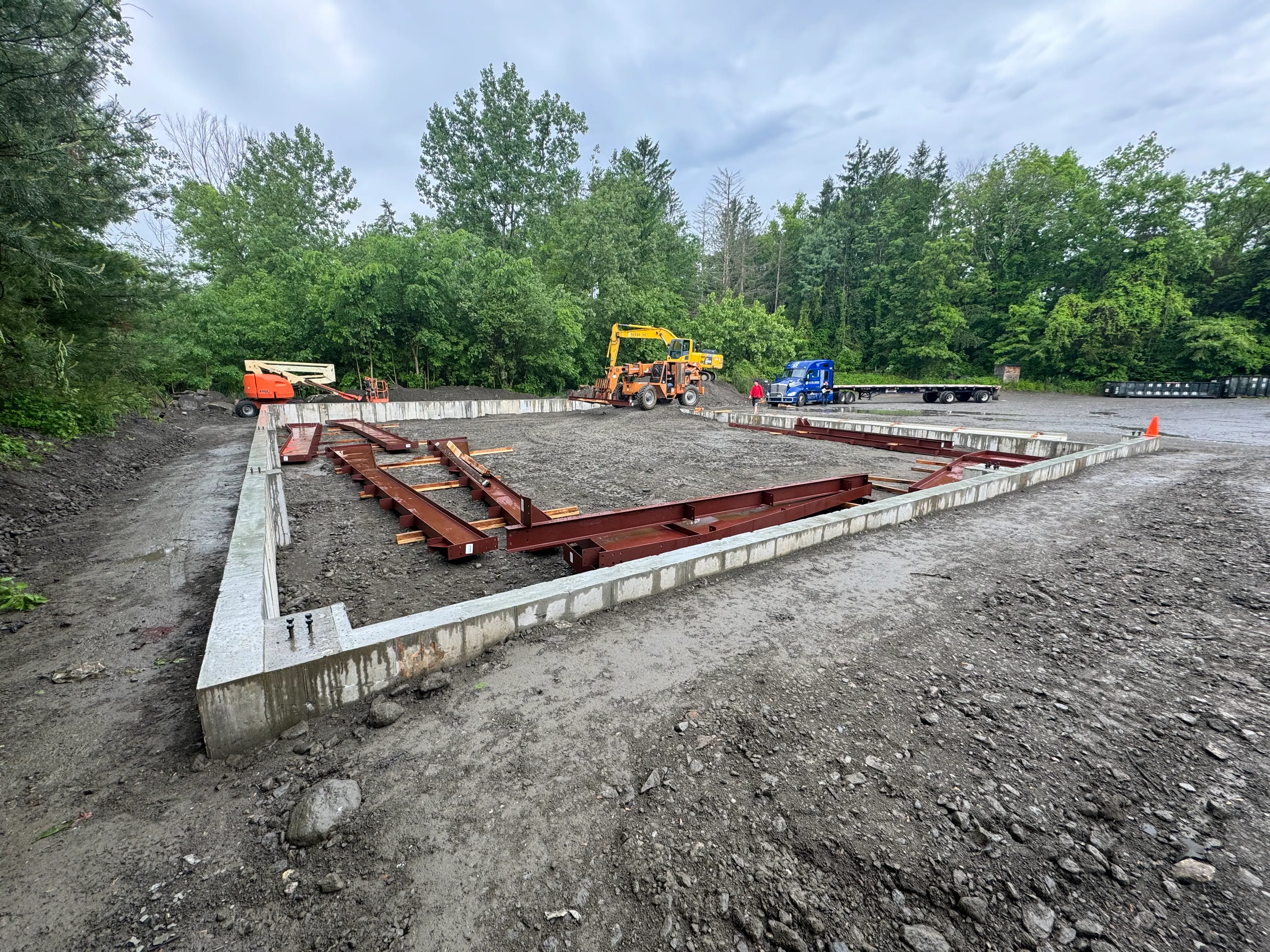
A Client Perspective on Project Delivery
Hear directly from City of Beacon Fire Department Chief Tom Lucchesi as he shares his experience working with Mid-Hudson Construction Management on the Beacon Firehouse project. His perspective highlights the importance of communication, coordination, and having a construction partner committed to delivering for the community.
FAQs
Common questions about construction management and how MHCM delivers results.
Why is proper site preparation important before building construction?
Site preparation establishes the conditions needed for construction to move forward. Coordinating grading, excavation, earthwork, and other site requirements early helps reduce conflicts between site operations and later construction activities.
What is the difference between site development and sitework?
Site development describes the broader process of preparing a property for construction, while sitework refers to activities performed on the property, such as excavation, grading, and earthwork. Sitework is one important part of a complete site development plan.
When should sitework be coordinated with the rest of a construction project?
Sitework should be considered early, during project planning and pre-construction. Early coordination helps align site conditions, access, grading, utilities, and the overall construction schedule.
What are the benefits of using a contractor with in-house sitework capabilities?
In-house sitework capabilities can improve coordination between site preparation and the rest of the construction work. They also give the project team more direct oversight of key site operations, scheduling, and field coordination.
What work is handled by an in-house site division?
An in-house site division can handle key sitework activities such as site preparation, excavation, grading, and earthwork. Mid-Hudson Construction Management uses its site capabilities to support coordination between site operations and the broader construction project.
Have more questions?
Reach out to our team for a detailed conversation about your project needs.
Ready to Build Your Next Project?
Contact MHCM to discuss your project.